Ho'okipa outer reefs, United States
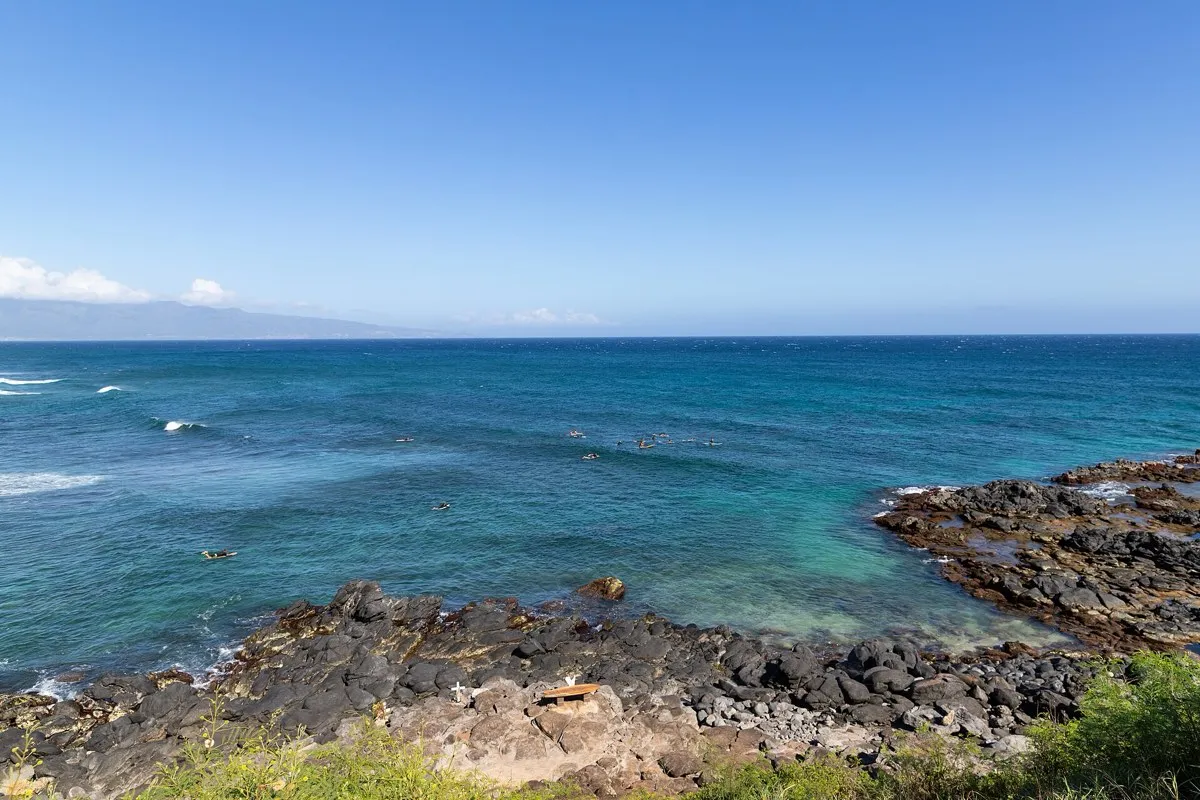
| Coordinates | 20.933, -156.358 |
| Wind | Side-shore trades |
| Water | Powerful reef waves; shallow reef, rocks, heavy sets |
| Rules | Strong surf localism — yield, ride only outer/less-contested peaks |
| Level | Expert |
Ho’okipa’s outer reefs — the Lanes and Pavilions peaks — are one of the very few places on earth with named-rider, breaking-wave parawing footage. Kai Lenny has been documented out here on the outer reef using an Ozone Pocket Rocket and a longboard SUP: powering in on the wing, stashing it, and surfing the wave hands-free. Outside of Kanaha, this is about as documented as wave parawinging gets. It is also, unambiguously, expert-only water.
That distinction matters, because most documented parawing use worldwide is not breaking-wave surfing at all — it is downwind and bump riding in places like the Columbia Gorge, San Francisco Bay and La Ventana. The named-rider, in-the-surf footage is concentrated on Maui, and Ho’okipa is the heavy end of it. What Kai Lenny’s session demonstrates is the full stash-and-surf loop executed on serious water: power out through the wind, stash the wing within seconds, ride the face hands-free, then redeploy. It is proof the discipline works here — but it is not an invitation to try it before you are genuinely ready.
Why it grades expert
Ho’okipa is not a forgiving reef roller like Kanaha down the coast. The outer reef throws powerful waves over shallow reef and rocks, with heavy sets. The wind is side-shore trades — the right angle for the stash-and-surf loop — but the margin for error is small. Winter delivers the size, with the swell window running roughly September through April; summer trades bring the most reliable wind, so you are always trading swell against breeze. A dropped wing here is a much more serious event than at a beach-launch venue.
The lineup is the other hazard
The waves are only half the challenge. Ho’okipa carries strong surf localism and an experienced wave-riding crowd, and a parawing buys you exactly zero priority. The etiquette is not optional: respect the pecking order, ride only the outer or less-contested peaks, and yield to surfers and other water users. On surfer-priority days, the right call is to stay out of the water. Parawinging is new, and nobody in that lineup will anticipate the line a stashed-wing foiler takes — that is your responsibility to manage, not theirs.
Where it fits
Ho’okipa is a place you earn your way to, not a place you learn at. The natural progression is to build the fundamentals at Kanaha / Kā’a Point — the documented home of the sport, with parawing-specific instruction — and only bring them here once you can reliably power out, stash within seconds, surf hands-free and redeploy in 15–25 kt side-shore wind. That benchmark is the honest gate for this spot: if any part of it is still shaky, the shallow reef and heavy sets will punish it. Drill self-rescue and drift and riding upwind until they are automatic before you take them onto a powerful reef, and rig with a size that leaves you in control rather than over-powered. Compare venues in the wave spots hub or filter conditions with the spot finder.
FAQ
Has anyone really parawinged at Ho'okipa?
Yes. Kai Lenny has been documented riding the outer reef at Ho'okipa on an Ozone Pocket Rocket with a longboard SUP — powering in, stashing the wing and surfing hands-free. It is one of the only named-rider, breaking-wave parawing spots outside of Kanaha.
How difficult is Ho'okipa for parawinging?
Expert only. The reef waves are powerful, the reef is shallow with rocks, and the sets are heavy. Add strong surf localism and an experienced lineup, and this is a venue to earn your way to — not a place to learn.
When does it work?
Winter brings the size (the swell window runs roughly September–April), while summer trades bring the most reliable side-shore wind. You are balancing swell against wind.
How should I handle the lineup?
Carefully. Yield to surfers and other water users, ride only the outer or less-contested peaks, and respect the pecking order. On surfer-priority days, give the spot a wide berth entirely.