Ocean Beach, USA
| Wind | Cross NW / thermal, best in summer |
| Water | Frigid; south-swell wave at Fort Point under the Golden Gate |
| Relaunch room | Strong tidal drift and shipping traffic — limited safe margin |
| Rescue | Frigid water, sharks, busy shipping lane — expert self-reliance only |
| Rules | Shipping traffic through the Golden Gate — stay clear of the channel |
| Level | Expert |
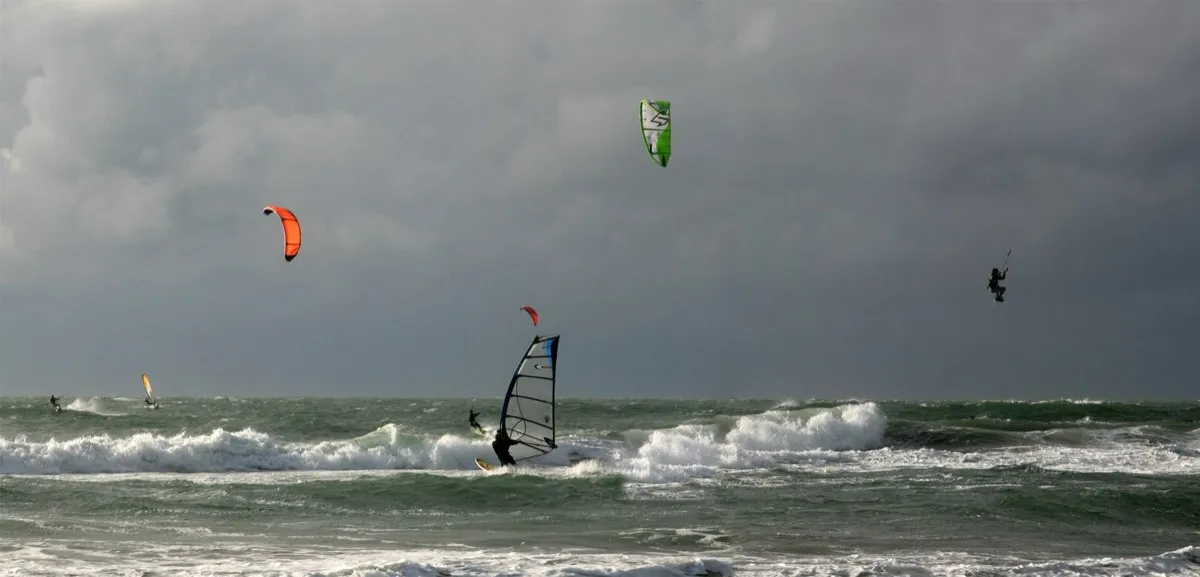
Fort Point, tucked beneath the Golden Gate, offers a south-swell wave, and Ocean Beach stretches the exposed San Francisco oceanfront alongside it. The wind here is cross NW and thermal, best in summer. The adjacent San Francisco Bay is a genuinely documented parawing venue — but for bump and swell riding, not for these ocean breaks. That distinction is the whole story of this spot.
Is Ocean Beach actually a parawing wave spot?
Be honest about the evidence. Documented parawing use in San Francisco is flat-water and bump/swell riding inside the Bay — a rider describes carrying a 3.2m parawing in SF Bay. That is real parawing riding, but it is not the ocean-side breaks. No published parawing session confirms Ocean Beach or Fort Point for wave surfing. The wave assessment below is inferred, not proven — and the Bay is the documented option, covered separately at San Francisco Bay.
Why it is expert-only
Ocean-side SF is gnarly. The water is frigid, the tidal drift through the Golden Gate is strong, the shipping lane is active, and sharks are present. A stashed wing is invisible and useless as a rescue signal, which makes strong drift and boat traffic far more serious than they would be with a kite you can see. This is an expert venue and not a place to ride alone. Drill your self-rescue and drift cold before considering it.
Wind and season
The cross NW and thermal wind is most reliable in summer. Fort Point’s wave wants a south swell, which does not always coincide with the wind window, so quality parawing-wave days on the ocean side are rare.
Before you go
If you want documented San Francisco parawing riding, the Bay’s bump and swell is the proven option; the ocean-side breaks at Ocean Beach and Fort Point are expert-only and unproven for wave parawing. Use the spot finder to compare, and size with the parawing size calculator for the summer cross-NW range.
FAQ
Is Ocean Beach good for parawing foiling?
The documented parawing riding in San Francisco is in the Bay, for bumps and swell, not the ocean breaks. Fort Point's south-swell wave is plausible for parawing on analysis, but it is expert-only and unproven, so treat any wave assessment as inferred.
Can you parawing in San Francisco Bay?
Yes — the Bay is a documented parawing venue for bump and swell riding; one rider describes carrying a 3.2m parawing there. That is distinct from the ocean-side breaks at Ocean Beach and Fort Point.
Why is Ocean Beach expert-only?
Frigid water, strong tidal drift through the Golden Gate, active shipping traffic and shark presence combine into a low-margin environment. It is not a venue to learn or to ride alone.
When does Ocean Beach have wind?
Summer brings the most reliable cross NW and thermal wind. Fort Point's wave needs a south swell, which does not always coincide with the wind.