Millers Run, South Africa
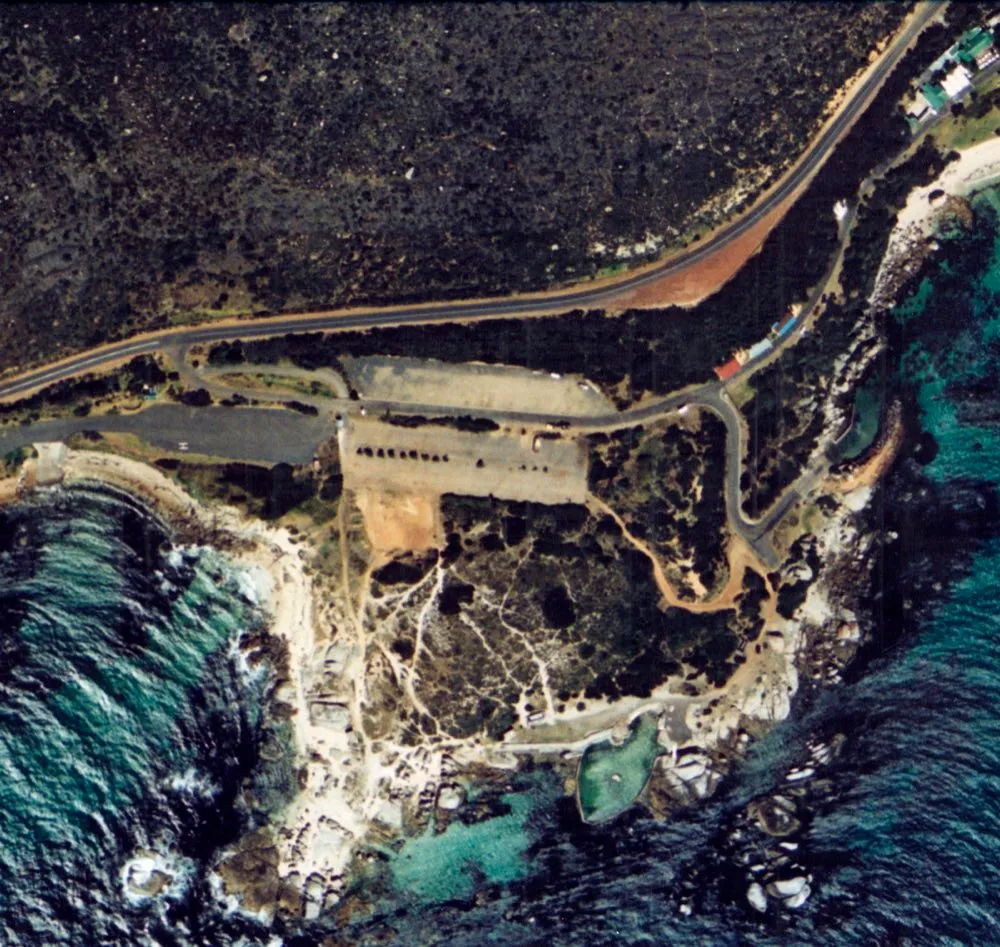
| Wind | SE 'Cape Doctor', ~18–40 kt, gusty afternoons (summer) |
| Water | Cold, 12–15 °C — full wetsuit essential |
| Rescue | No dedicated boat cover; strong self-rescue required |
| Level | Expert (open ocean, cold water) |
What is Millers Run?
Millers Run is Cape Town’s classic False Bay downwind line — about 10 km of open-bay glide driven by the summer south-easter. It sits in the same wind system as the better-known Table Bay runs but on the other side of the peninsula, and it earns an expert rating for one blunt reason: cold water, big ocean, and no boat waiting to pick you up.
Documented parawing use here is not established. What follows is inferred from wing- and SUP-foil downwind records on the same line, not from proven parawing descents. Read it as a suitability assessment, not a trip report.
Wind and season
The engine is the SE “Cape Doctor” — the hard summer sea breeze that blows roughly 18–40 kt and gusts up in the afternoons. The window runs about November to February, strongest and most reliable December to February. When the wind swings NW in winter, locals ride the line in reverse (“Reverse Millers”), so the corridor works on both the prevailing summer and occasional winter setups.
That wind range is a small-parawing story: on a full-strength Doctor day you’d be reaching for the bottom of your quiver. Size it down and carry a plan for the gusts. Use the parawing size calculator to sanity-check before you commit.
Why it’s expert terrain
- Cold water, 12–15 °C. A proper wetsuit isn’t optional; hypothermia is a real failure mode if a swim drags on.
- No dedicated rescue. There’s no commercial shuttle-plus-boat safety net here. If your gear fails, you’re self-rescuing to shore — drill it first. See self-rescue and drift.
- Strong, gusty wind and real ocean swell. The margin for a rig failure or a blown launch is thin.
The parawing angle
If parawing riding does establish here, the relaunch canopy is a genuine safety asset versus a deflated wing — you can redeploy and self-rescue toward shore rather than swim. The long, consistent SE fetch is exactly the kind of conveyor that rewards a clean downwind glide. But until crews are logging actual parawing runs on Millers, everything above is proxy data.
Building distance elsewhere first? Compare gentler options on the downwind spots hub or filter with the spot finder.
FAQ
Where is Millers Run?
It's a False Bay downwind line in the Cape Town area of South Africa, roughly 10 km point-to-point. A 'Reverse Millers Run' works when a NW winter wind blows instead of the usual summer south-easter.
Is Millers Run good for parawing foiling?
On paper, yes — the reliable SE 'Cape Doctor' and long open fetch suit small parawings. But documented parawing descents here aren't established; the assessment is drawn from wing and SUP-foil downwinders on the same run.
How hard is Millers Run?
Expert. It's a cold-water ocean run (12–15 °C, full wetsuit), the wind is strong and gusty, and there's no dedicated boat rescue — you need bulletproof self-rescue before committing.
When does Millers Run work?
The summer south-easter season, roughly November to February, with the strongest, most reliable wind December–February.