Hel Peninsula, Poland
| Coordinates | Chałupy ~54.75°N, 18.42°E |
| Wind | W/SW/WNW prevailing, side-on; 10–25 kt, ~35 days/yr to 35 kt |
| Water | Bay side: flat lagoon, waist-deep 200–1000 m, sandy, no reef, no tide |
| Relaunch room | Standing-depth water for hundreds of metres off the bay shore |
| Rescue | Motorboat rescue run by the Chałupy schools |
| Rules | Polish Kiteboarding Association standards; beach/campsite rules |
| Level | Beginner to advanced; bay side ideal for learners |
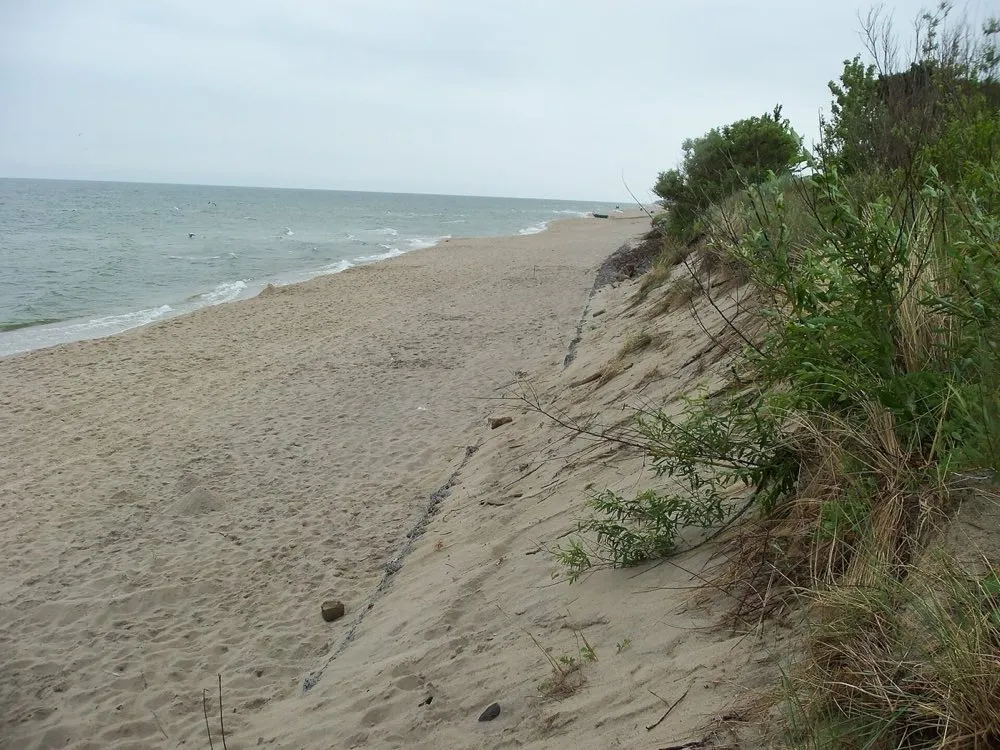
The Hel Peninsula is a 35 km sandbar reaching into the Baltic, and its value for foiling is almost entirely on the inside. The Puck Bay (Zatoka Pucka) side is a genuine flat-water lagoon: shallow, waist-deep for anywhere from 200 to 1000 m off the beach, sandy, with no reef, no tide, and no significant swell. That is Poland’s premier flat venue, and the terrain reads well for a stashed-wing rider — contained water, standing depth, and motorboat rescue run out of the Chałupy schools.
I want to be plain about what is and isn’t known here. There are no documented parawing sessions on record at Hel. Everything below is inferred from the established kite and wing scene at Chałupy and from the shape of the water itself, not from parawing riding I can point to. If you go, you are among the first to log it as a parawing spot, not following a proven track.
Where is the flat water?
The schools cluster at Chałupy (Kite Zone at Chałupy 3, Hel Riders at Chałupy 6), and the bay in front of them is the flat zone. Jastarnia and Rewa/Ryf Mew sit further along the bay. The open Baltic side of the sandbar is choppy with small waves — not where you want to be learning to glide on a wing you have to stash and redeploy. Watch the Jastarnia pier as a fixed hazard.
Wind and season
Wind is W/SW/WNW and prevailing side-on on the bay, averaging 10–25 kt with roughly 35 days a year touching 35 kt. It is frontal and synoptic — there is no thermal or trade engine here, so you are reading pressure charts, not counting on a clockwork afternoon build. The season runs March–October, but the realistic warm window is May–September.
The cold-water problem for parawing
This is the one thing that separates Hel from a warm lagoon. The Baltic is cold; a wetsuit is always on. A parawing rider who stashes the wing and then has to swim is doing so in cold water, and a stashed wing is nearly invisible to rescue. Before you unpack on the water, know your self-rescue and drift plan and carry a backup means of visibility. The contained bay and motorboat cover help, but they do not replace your own plan.
For a warm-water flat alternative in the same inferred-suitability bucket, compare the flat-water spots hub, and size your wing for gusty 10–25 kt frontal conditions with the parawing size calculator.
FAQ
Is the Hel Peninsula good for parawing beginners?
The Puck Bay side is well suited to learning on paper — waist-deep water for 200–1000 m, sandy bottom, no reef, no tide, and side-on wind. But no documented parawing sessions confirm it yet, so treat it as inferred from kite and wing use rather than proven.
Which side of the peninsula is flat?
The bay side (Zatoka Pucka) is the flat-water lagoon. The open Baltic sea side is choppy with small waves and is not the flat venue.
How cold is the water?
Cold Baltic — a wetsuit is always required, even in summer. Cold-water self-rescue planning matters more here than at warm lagoons because a stashed wing leaves you swimming.
When is the season?
March–October in principle, but May–September is the realistic warm window. Wind is frontal/synoptic rather than thermal, so it is less predictable day to day than trade or Meltemi spots.