Kite Beach, United States
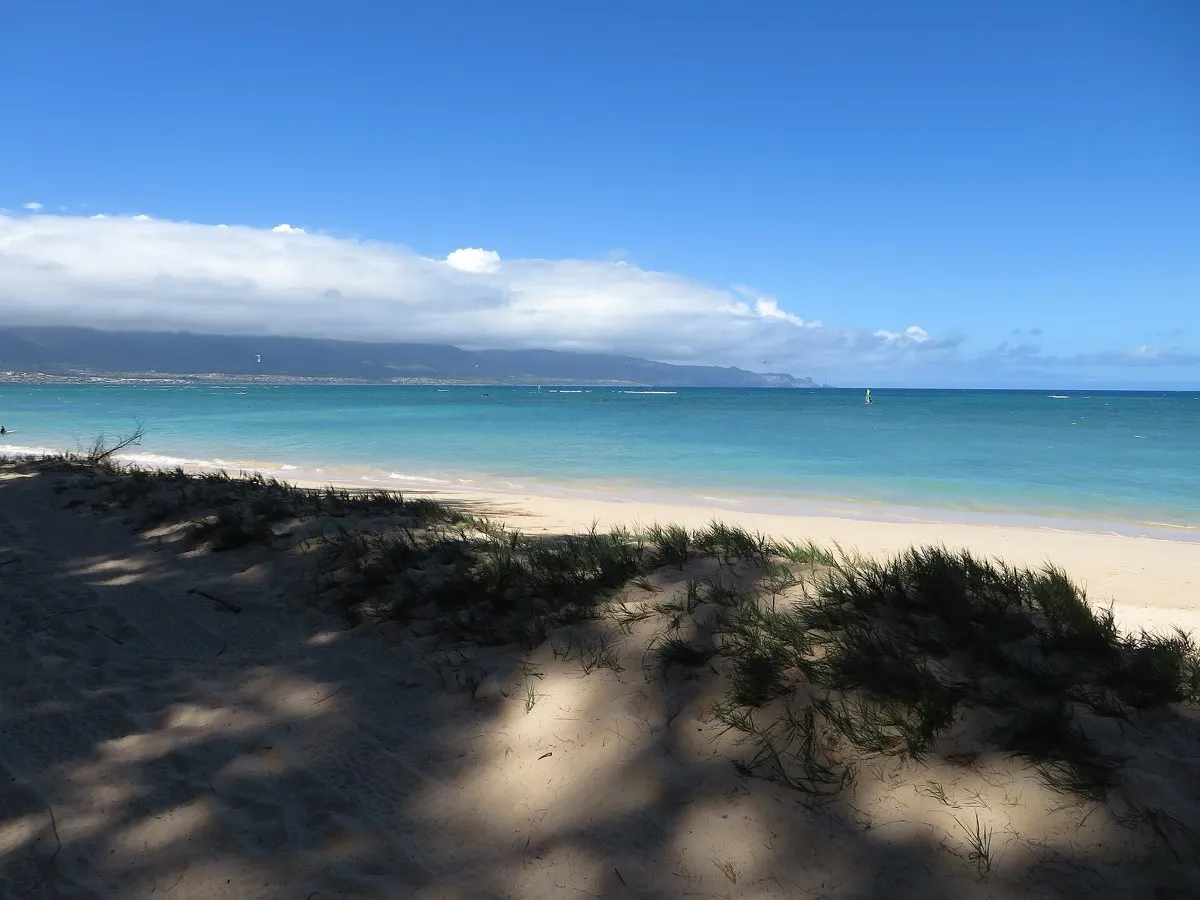
| Wind | Side-on NE trades, ~15-30 kt (Kanaha/regional, Kite HI) |
| Water | Soft reef/beach waves; foil-friendly, rolling |
| Relaunch room | Open beach/reef, continuous with the Kanaha stash-and-surf zone |
| Rules | Shared wing/kite/foil water; right-of-way discipline (as at Kanaha) |
| Level | Advanced |
Kite Beach is the stretch of Kahului waterfront immediately downwind of Kanaha, and for a parawinger that location is the whole point. Kanaha / Ka’a Point is the birthplace and global home of parawinging, and Kite Beach is described as part of the same continuous, wind-exposed playground where the stash-and-surf loop is genuinely documented rather than inferred (Kite HI). If you want to learn wave parawinging where the discipline actually lives, this is one of a handful of breaks on the planet that qualifies.
Why it works for a parawing
The waves here are soft reef and beach waves — rolling and foil-friendly rather than hollow or heavy. That matters more than raw wave quality: a soft, peeling face over deep-enough water is exactly what a mast-length foil wants, and it forgives the mistakes you will make while learning to stash the wing, surf hands-free, and redeploy. The wind is the other half of the equation. Steady NE trades blow side-on to the wave, so you can power out, stash, ride back, and redeploy without being pushed into the impact zone or blown straight offshore.
Because Kite Beach runs continuously into Kanaha, you inherit the same generous, open launch and the same channels and runout room. There is no cliff, no committing paddle, and no single narrow peak you have to fight for. That is what makes it an advanced venue you can actually progress at, rather than an expert-only proving ground like the Ho’okipa outer reefs a few kilometres upwind.
Wind and season
Count on side-on NE trades in the 15-30 kt band that defines this whole stretch of Maui’s north shore (Kite HI). April through October is the steadiest window for wind, with the summer months the most reliable; winter brings bigger, heavier surf but patchier trades. Mornings can be light — this is an afternoon-building wind pattern — so rig for the top of the range, not the bottom. Check your size against the strong end with the parawing size calculator before you commit.
Hazards and the parawing angle
Two things keep Kite Beach honest. First, crowds: this water hosts wings, kites, prone foilers and now parawings, all at once. A rider sitting low with a stashed parawing shows no sail and is genuinely hard to see from a kiteboard at speed, so right-of-way discipline is not optional here. Wear something hi-viz on the belt and ride defensively. Second, reef: there are shallow sections where a full mast will not clear at low tide, so learn the bottom before you push deep.
The upside of the parawing at a spot like this is the same one that unlocked the whole discipline on Maui — you carry no bulky rig, you power out on the wind, and the wing disappears into a waist bag the moment you catch a wave. Before you travel here, make sure your self-rescue and drift skills and your upwind riding are solid in 15-25 kt side-shore wind, because the crowd leaves no room for a rider who cannot hold a line.
Logistics and scene
Kahului is the practical base: Kite HI runs parawing clinics and demos in the area and at nearby Ka’a Point, and Boardriding Maui — the manufacturer behind the first upwind-capable parawings — is based on-island (BRM). Hi-Tech and Blue Planet are close by for gear. Treat Kite Beach and Kanaha as your daily venue, build the loop there, and only then venture toward Paia Bay or the outer reefs. For the full picture of where parawing wave riding is documented versus inferred, see the waves directory and the wider spots index. If you are chaining runs down the coast, the downwind glide fundamentals carry directly across.
FAQ
Is parawing wave riding actually documented at Kite Beach?
Yes. Kite Beach is named as part of the same continuous stash-and-surf and downwind playground documented for parawinging around Kanaha in Kahului, where Kite HI runs parawing clinics at nearby Ka'a Point. It is one of the few breaks worldwide with documented, not merely inferred, parawing use.
What level do I need for Kite Beach?
Advanced. The waves themselves are soft and forgiving, but the water is shared with wings, kites and foilers, and shallow reef sections demand you mind your mast at low tide. Have your stash-and-surf loop dialled before riding here.
When is the wind best?
April to October delivers the steadiest side-on NE trades, roughly 15-30 kt, with summer the most reliable. Winter brings heavier surf but less consistent wind.