Paia Bay, United States
| Coordinates | ~20.918, -156.368; Kahului (OGG) side of Maui |
| Wind | Side-shore NE trades (Maui north-shore band) |
| Water | Reef/beach waves; wind-exposed the whole way out |
| Relaunch room | Open, wind-exposed access; foil out and pick your wave |
| Level | Advanced |
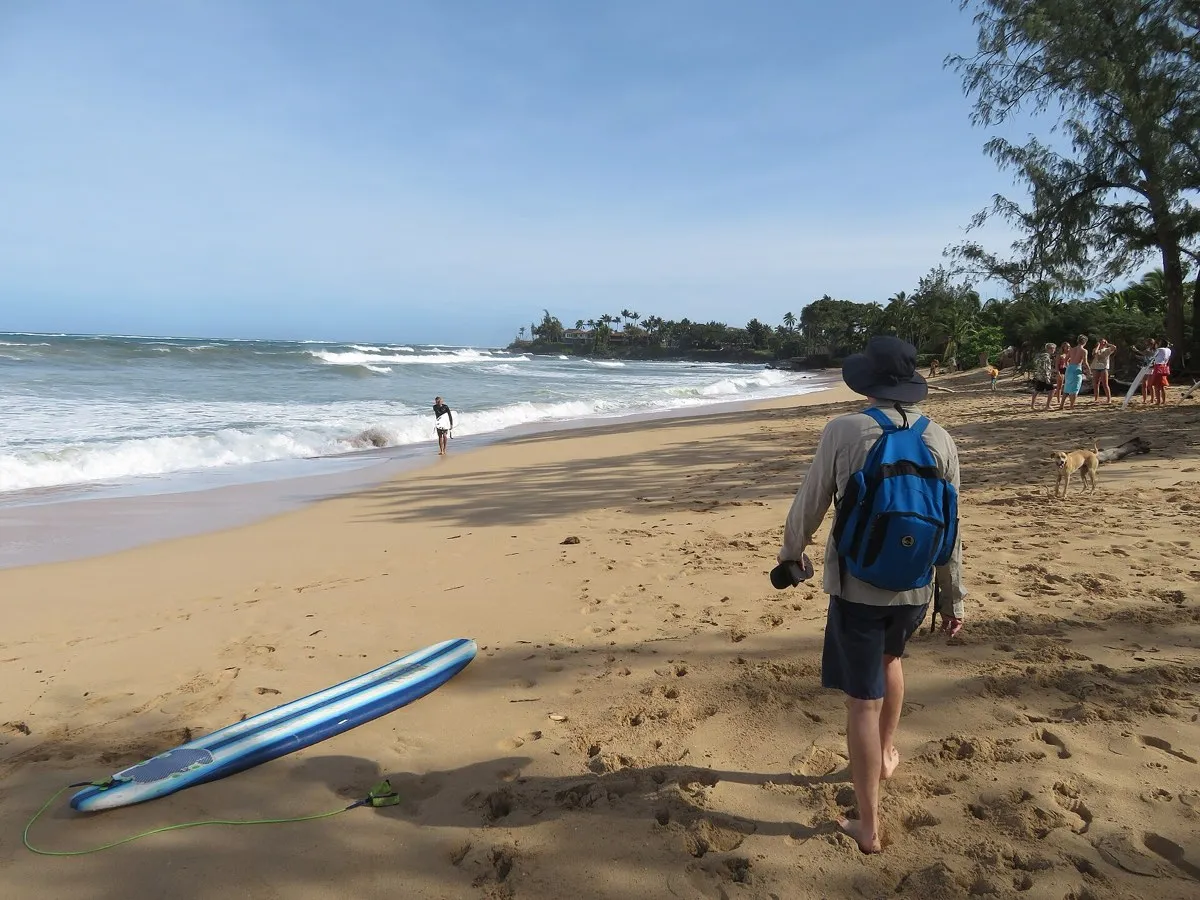
Paia Bay is the cleanest single illustration of why the parawing exists. It is documented as a Maui break that parawingers can now access but “would never paddle out to,” because the bay is exposed to wind the whole way (The Foiling Magazine). The move is simple to describe and hard to master: throw up the parawing, foil out through the wind-exposed water, then pick your moment to turn and surf a wave back to the beach. Cynthia “Cynbad” Brown has been documented doing exactly this here, which puts Paia Bay in the small club of breaks with genuinely documented — not merely inferred — parawing wave riding.
The parawing advantage, made concrete
Most surf spots reward paddling. Paia Bay punishes it, because the wind that makes the paddle miserable is the same wind that makes the parawing brilliant. You do not fight your way out; you glide out powered by the wing, then the wing disappears into a waist bag the instant you commit to a wave. That inversion — wind as the enemy of the paddler and the ally of the foiler — is the whole reason the discipline unlocked new water on Maui, and Paia Bay is where it reads most plainly.
Wind, waves and season
Paia Bay sits on Maui’s north shore at roughly 20.918, -156.368, in the same NE trade-wind band that feeds Kanaha and Ho’okipa. The trades blow side-shore to the bay, which is what lets you power out and surf back without being blown into the impact zone or straight offshore. The waves are reef and beach waves rather than a hollow, shallow reef barrel, so they suit a mast-length foil. Trades run essentially year-round here, with the steadiest wind through the summer months; winter delivers more size but patchier wind. Because this is an afternoon-building trade pattern, rig toward the top of the wind range and check your size against the strong end with the parawing size calculator.
Hazards and honest limits
The exposure that makes Paia Bay rideable also makes it unforgiving. This is advanced water: you need a dialled stash-and-surf loop, dependable self-rescue and drift skills, and the judgement to time your turn onto a wave. A downed rider with a stashed parawing shows no visible sail, which is the core hazard of the sport anywhere with other water users, so wear hi-viz on the belt and give the surf lineup priority. Reef sections mean you should know the bottom and mind your mast before pushing into shallower water.
Treat Paia Bay as a step up from your daily Kanaha and Kite Beach sessions, not a first outing. Build the loop in the more forgiving Kahului water, get your upwind riding reliable in 15-25 kt side-shore wind, and only then come here to use the wing the way it was designed — to open a break that is otherwise off-limits. For the wider map of documented versus inferred wave spots, see the waves directory; the full spots index covers flat-water and downwind options for the calmer days.
FAQ
Is Paia Bay a documented parawing spot?
Yes. It is documented as a break parawingers can now access that they would never paddle out to, because it is exposed to wind the whole way. Cynthia 'Cynbad' Brown has been documented accessing Paia Bay via parawing, making it one of the few breaks worldwide with documented rather than inferred parawing use.
Why use a parawing at Paia Bay instead of paddling?
Because the bay is exposed to wind the whole way, paddling out is impractical. With a parawing you throw up the wing, foil out through the exposed water, then stash it and turn to surf a wave back. It is the parawing's signature advantage: unlocking wind-exposed breaks that are hard to reach any other way.
What level is Paia Bay?
Advanced. You need a reliable stash-and-surf loop, solid self-rescue, and the judgement to time your turn onto a wave in side-shore trades before you take on reef and beach waves here.